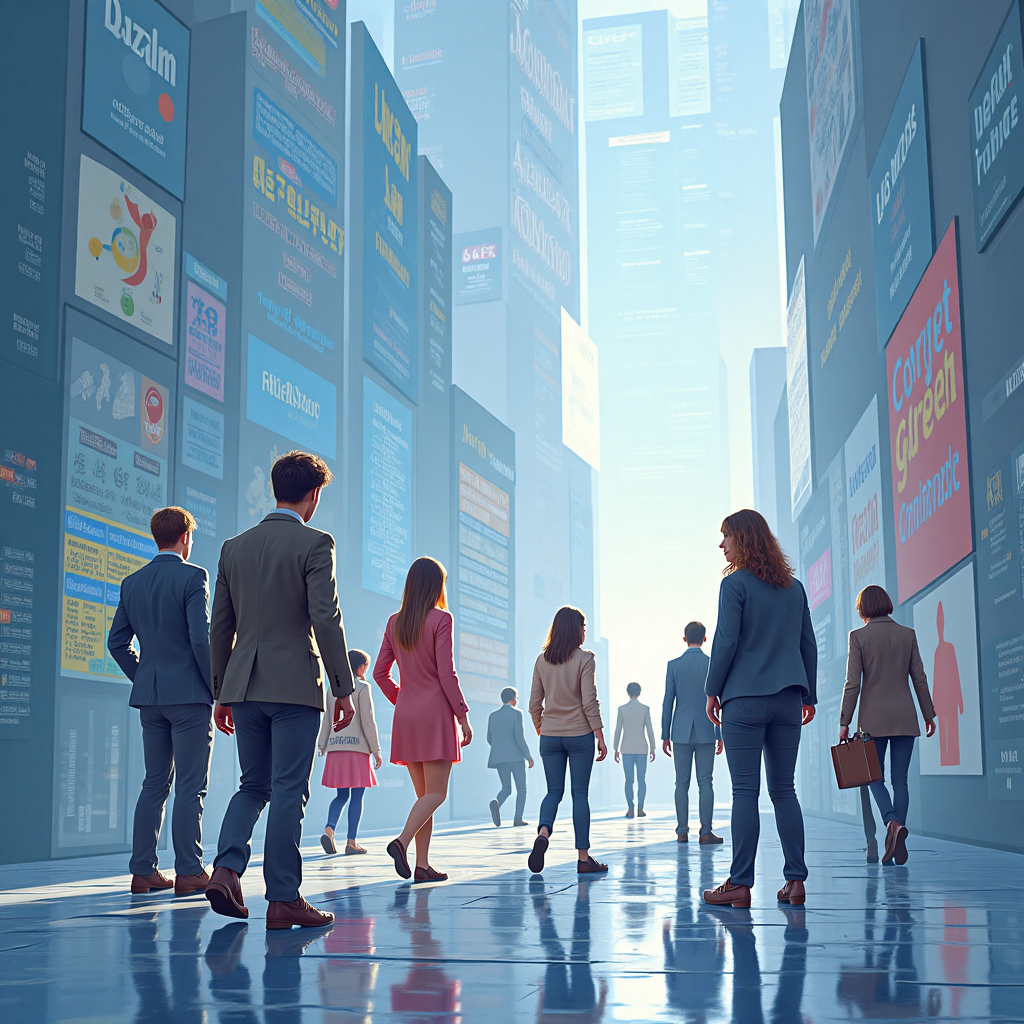
Art Education and Creative Development: Unlocking the Full Spectrum of Human Potential

In a world increasingly driven by automation, artificial intelligence, and rapid technological change, the ability to think creatively is no longer a luxury—it is a necessity. Art education stands at the center of this shift, offering far more than instruction in drawing, painting, or sculpture. It is a powerful vehicle for creative development, shaping minds that can imagine new possibilities, solve complex problems, and communicate ideas with nuance and emotional depth. For decades, educational systems have treated the arts as elective enrichment, often the first area to face budget cuts. Yet a growing body of research shows that consistent, high-quality art education builds cognitive, social, and emotional skills that transfer across every discipline. This article explores the vital relationship between art education and creative development, unpacking its scientific foundations, practical classroom strategies, developmental stages, and long-term societal benefits.
What Is Art Education and Why Does Creative Development Matter?
Art education encompasses structured learning experiences in visual arts, music, theater, dance, and media arts. It includes both the production of art—learning techniques, materials, and processes—and the appreciation, interpretation, and critique of artworks. Creative development, on the other hand, refers to the growth of capacities such as divergent thinking, originality, flexibility, elaboration, and the willingness to take intellectual risks. While creativity is often associated with the arts, creative development is a cross-disciplinary skill set that fuels innovation in science, business, engineering, and everyday life. Art education provides a unique laboratory for creative development because it requires students to generate multiple solutions to open-ended problems, reflect on their choices, and revise their work based on feedback.
Many people assume that creativity is an innate trait—you either have it or you do not. This myth undermines the importance of structured creative education. In reality, creativity can be taught, practiced, and cultivated. Art education creates the conditions under which creative potential becomes visible and actionable. When students are given permission to experiment with materials, combine unrelated ideas, and express personal meaning, they build the neural and psychological foundations of creative confidence. Without these opportunities, creative capacities may remain dormant, underdeveloped, or expressed only by accident. Therefore, art education is not merely about producing artists; it is about producing people who can think like artists, regardless of their career path.
Creative development also supports emotional resilience and mental well-being. Art classrooms allow students to explore ambiguous situations without the pressure of a single correct answer. This tolerance for ambiguity is a hallmark of creative thinkers. In a world where young people face unprecedented levels of anxiety and uncertainty, art education offers a safe space to process emotions, develop self-awareness, and build identity. The creative process itself—brainstorming, drafting, failing, refining, and presenting—mirrors the iterative nature of personal growth. Thus, art education and creative development are deeply intertwined, each reinforcing the other in a cycle of learning that shapes confident, reflective, and innovative individuals.
The Science Behind Art Education and Creative Thinking
Neuroscience has begun to illuminate why art education has such a profound impact on creative development. When a person engages in artistic activities—whether drawing, composing music, or improvising a scene—multiple brain regions activate simultaneously. The prefrontal cortex, responsible for planning and decision-making, works alongside the default mode network, which is linked to imagination and self-referential thought. This neural collaboration supports the generation of novel ideas and the evaluation of their effectiveness. Unlike rote memorization, which activates narrow and predictable pathways, artistic creation demands the brain to form new connections between seemingly unrelated concepts. This is the neurological basis of creativity.
Art education also influences brain plasticity, the brain’s ability to reorganize itself by forming new neural connections. Longitudinal studies suggest that students who participate in sustained arts programming show enhanced connectivity in the corpus callosum, the bundle of fibers that connects the brain’s left and right hemispheres. This enhanced connectivity supports integrated thinking—combining analytical logic with intuitive insight. Integrated thinking is a key component of creative problem-solving, allowing individuals to approach challenges from multiple perspectives. Furthermore, the repetitive practice of artistic skills, such as learning to shade a sphere or match a musical pitch, strengthens executive function, including working memory, cognitive flexibility, and inhibitory control. These executive functions are closely correlated with creative achievement.
Another important scientific finding relates to the role of dopamine, a neurotransmitter associated with motivation, reward, and novelty-seeking. Engaging in art activities often produces a state of flow, a psychological state of deep absorption and enjoyment. During flow, dopamine levels rise, enhancing focus and lowering anxiety. This neurochemical environment encourages risk-taking and experimentation, both essential for creative development. Art education deliberately structures opportunities for flow by providing challenges that are neither too easy nor impossibly hard, along with immediate feedback through the senses. Over time, students learn to seek out and manage flow states, which becomes a transferable skill for creative work in any domain.
Core Components of an Effective Art Education Curriculum
Not all art education is equally effective in promoting creative development. A high-quality curriculum balances skill-building with open-ended exploration, ensuring that students develop both competence and creative agency. The following components are essential:
- Technical skill development: Students need foundational knowledge of materials, tools, and techniques to express their ideas effectively.
- Aesthetic awareness: Exposure to diverse artworks develops visual literacy and the ability to discern quality, style, and cultural context.
- Creative problem-solving: Assignments should present challenges with multiple possible solutions, not step-by-step replicas.
- Reflection and critique: Students learn to analyze their own work and the work of peers, developing critical thinking and communication skills.
- Interdisciplinary connections: Linking art to history, science, mathematics, and literature deepens understanding and sparks innovation.
- Cultural responsiveness: Including art from diverse traditions validates students’ identities and broadens perspectives.
An effective curriculum also recognizes the importance of process over product. When the sole focus is on the finished artwork, students may become fixated on perfection and avoid experimentation. By contrast, when teachers emphasize the journey—sketching, revising, reflecting—students learn that mistakes are valuable data, not failures. This mindset is central to creative development. Assessment should therefore include process portfolios, artist statements, and self-evaluations, not just final pieces. Rubrics can reward originality, persistence, and the ability to articulate artistic choices, reinforcing the idea that creative growth is a continuous trajectory.
Process-Oriented Teaching Strategies
Teachers can use specific strategies to foster creative development in the art classroom. One powerful approach is constraint-based creativity, where students are given a limited set of materials or a specific theme and asked to generate as many different responses as possible. Constraints paradoxically expand creativity by preventing paralysis and focusing attention. Another strategy is collaborative art-making, where students work in pairs or groups to build on each other’s ideas. This mirrors real-world creative industries, where innovation emerges from collective intelligence. Teachers can also use thinking routines, such as “See-Think-Wonder” or “What if…?” prompts, to model the kinds of questions creative people ask themselves.
It is also important to create a classroom culture that normalizes risk and failure. Teachers should openly celebrate “beautiful oops” moments—unexpected turns that lead to new discoveries. When teachers display works that changed direction after a perceived mistake, students learn that creative development is rarely linear. Additionally, giving students choice—whether in subject matter, medium, or scale—increases intrinsic motivation, which is a strong predictor of creative output. Finally, providing time for unstructured exploration with materials, without an assigned project, allows students to follow their curiosity and develop personal imagery and themes.
Creative Development Across Different Ages and Stages
Art education supports creative development differently at each stage of life. In early childhood, creativity is primarily sensory and exploratory. Young children learn through touching, mixing, tearing, and scribbling. Art activities for this age group should emphasize process, movement, and sensory stimulation. Finger painting, clay modeling, and large-scale drawing help develop fine motor skills while encouraging children to express ideas before they have the vocabulary to articulate them verbally. At this stage, the adult’s role is to provide materials, ask open-ended questions, and avoid imposing adult standards of realism.
During elementary school, children develop the ability to create recognizable symbols and narratives. Art education at this stage should expand their symbolic vocabulary while protecting their creative confidence. Many children experience a crisis of confidence around age nine, when they begin to compare their work to realistic standards and may conclude they are “not good at art.” Skilled art educators counter this by introducing observational drawing in a supportive way, emphasizing that all artists learn to see differently. Projects that combine personal stories with visual symbols help children see art as a language for meaning-making, not just imitation. At this stage, creative development flourishes when students receive specific, constructive feedback on their ideas and effort, rather than generic praise.
In adolescence, creative development intersects with identity formation. Teenagers use art to explore complex emotions, social issues, and personal values. Art education should provide opportunities for self-expression while challenging students to engage with broader cultural and political contexts. Teenagers benefit from learning about contemporary artists who address social justice, identity, and technology. They also thrive when given opportunities to develop a sustained body of work over time, such as a thematic portfolio. This kind of long-term project builds creative endurance and helps students understand that meaningful creative work requires persistence and revision. For many adolescents, art class becomes a vital outlet for stress and a space where they feel seen and heard.
Art education is not limited to childhood. Adults who engage in art-making experience increased cognitive flexibility, reduced stress, and enhanced problem-solving abilities. Community art classes, workshops, and online courses offer adults a chance to reconnect with creative play, often after years of focusing solely on productivity. For adults, creative development is closely linked to professional innovation. Many companies now incorporate art-based learning into leadership training because the skills practiced in art—observation, ambiguity tolerance, and non-linear thinking—are exactly what modern organizations need. Whether someone is young or old, art education can reignite curiosity and open new pathways for creative thought.
The Role of Technology in Modern Art Education
Technology has transformed the landscape of art education, expanding the tools and platforms available for creative development. Digital painting software, 3D modeling, animation, and virtual reality offer new mediums for artistic expression. These tools lower certain barriers to entry—for example, digital media allow for endless experimentation without the cost or fear of wasting materials. Students can undo mistakes, duplicate layers, and remix existing assets, which encourages exploration and iteration. At the same time, technology introduces new aesthetic and ethical questions, such as the role of artificial intelligence in art-making, copyright in digital remix culture, and the impact of screen time on sensory awareness.
Online art education platforms and social media have also democratized access to creative learning. Students in remote or under-resourced areas can access tutorials, virtual museum tours, and global communities of practice. A student in a small town can share their artwork with peers on another continent, receive feedback, and collaborate on projects in real time. However, the digital divide remains a challenge. Not all students have reliable internet access or devices capable of running advanced creative software. Effective art education must be intentional about integrating technology in ways that enhance, rather than replace, hands-on material exploration. The tactile experience of clay, paint, charcoal, and fiber is irreplaceable for developing sensory intelligence and embodied creativity.
Artificial intelligence tools, in particular, are sparking debate about the nature of creativity. Programs that generate images from text prompts raise questions about authorship, originality, and the creative process itself. Art educators have an important role to play in helping students think critically about these tools. Rather than banning AI or ignoring it, educators can use it as a springboard for discussions about what makes art meaningful. Students can compare AI-generated images with their own hand-made work, analyze the biases embedded in training data, and explore how AI might be used as a collaborative tool rather than a replacement. This critical engagement is an essential component of creative development in the 21st century, where technology and human imagination are increasingly intertwined.
Overcoming Barriers to Art Education
Despite the clear benefits, art education faces significant barriers in many school systems. Budget constraints often force administrators to prioritize subjects that appear on standardized tests, relegating the arts to a peripheral status. This is a short-sighted approach, as research consistently shows that students with strong arts education perform better academically, attend school more regularly, and demonstrate higher levels of civic engagement. The arts do not compete with academic achievement; they enhance it. Advocates for art education must use data and storytelling to make the case to policymakers, school boards, and community stakeholders.
Another barrier is the lingering belief that art education is only for talented individuals. This myth narrows the focus of art programs toward identifying and grooming future professional artists, rather than providing all students with creative skills. In reality, the vast majority of students will not become professional artists, but all students will need creativity in their personal and professional lives. Art education must be inclusive, adaptive, and designed for every learner, including students with disabilities. Differentiated instruction, universal design for learning, and accessible materials ensure that creative development is not limited by physical, cognitive, or sensory differences. Art classrooms can be among the most inclusive spaces in a school because they honor multiple ways of knowing and expressing.
Access to art education outside of school is also uneven. Wealthy communities often supplement school programs with private lessons, museum memberships, and enrichment camps. Low-income communities may have fewer cultural resources, making school-based art education all the more essential. Community partnerships can help bridge this gap. Museums, libraries, artist residencies, and nonprofit organizations can collaborate with schools to provide visiting artists, field trips, and studio experiences. Such partnerships enrich the curriculum and expose students to a wider range of artistic practices and career possibilities. Ultimately, overcoming barriers requires a collective commitment to the principle that creative development is a fundamental right, not a privilege.
Practical Strategies for Educators and Parents
Teachers and parents play crucial roles in nurturing creative development through art education. The following strategies can be integrated into classrooms and homes:
- Create a dedicated creative space: Whether a classroom corner or a kitchen table, having a consistent place for art-making signals that creativity is valued.
- Provide diverse materials: Offer a range of materials—paper, paints, clay, fabric, found objects—so children can experiment with different textures and forms.
- Ask open-ended questions: Instead of “What is it?”, ask “Tell me about your process” or “What were you feeling when you made this?”
- Model creative risk-taking: Share your own experiments and failures, showing that creativity involves vulnerability and persistence.
- Display artwork prominently: Showing children’s work in the home or classroom communicates that their creative efforts are meaningful.
- Encourage iteration: Ask children to revisit an artwork and make one change, teaching them that creative work evolves over time.
- Expose children to diverse artists: Visit museums, watch documentaries, and read books about artists from different cultures, time periods, and backgrounds.
- Limit prescriptive crafts: While crafts have value, avoid projects where all children produce identical results. Leave room for individual interpretation.
For educators, professional development in creative pedagogy is essential. Many teachers received limited training in how to teach creativity, even if they are skilled practitioners. Workshops on studio habits of mind, design thinking, and inquiry-based learning can deepen a teacher’s ability to facilitate creative development. Collaboration with other subject-area teachers can also produce powerful interdisciplinary projects that apply artistic thinking to science, math, and language arts. For parents, the most important thing is to be present and curious about their child’s creative process, resisting the urge to judge or correct. A simple comment like “I notice you used a lot of blue here—what does that color mean to you?” opens a dialogue that deepens creative reflection.
Measuring Creative Development: Beyond Grades and Gold Stars
Assessing creative development is challenging because creativity is not a single, easily quantifiable trait. Traditional grading systems, with their emphasis on right answers and standardized outcomes, often fail to capture the richness of creative growth. Instead, educators should use multiple measures that honor process, product, and reflection. Portfolios are among the most effective tools, as they document a student’s trajectory over time. A portfolio might include sketches, drafts, final pieces, artist statements, and self-assessments. Reviewing a portfolio allows both teacher and student to see patterns, breakthroughs, and areas for continued growth.
Critique protocols also provide valuable assessment data. When students participate in structured critiques—describing, analyzing, interpreting, and evaluating artworks—they demonstrate their ability to articulate artistic choices and respond to feedback. Teachers can assess not only the quality of the final work but also the depth of the student’s engagement with the critique process. Rubrics that include criteria such as originality, risk-taking, craftsmanship, and conceptual clarity offer a more nuanced picture than a single letter grade. Importantly, students should be involved in developing and using these rubrics, so they understand the goals of creative development and can set their own learning targets.
Beyond the classroom, standardized creativity tests such as the Torrance Tests of Creative Thinking have been used to measure divergent thinking, but they have limitations. They may not capture the contextual, collaborative, and iterative nature of real-world creative work. A more holistic approach combines standardized measures with teacher observations, student self-reports, and community exhibitions. When students see their work displayed publicly—whether in a school hallway, online gallery, or community art show—they experience an authentic audience and receive feedback beyond the teacher’s gradebook. This public dimension of art education reinforces the idea that creativity has social value and that creative development is a lifelong pursuit, not a finite skill to be mastered.
The Long-Term Impact of Art Education on Society
Investing in art education is not merely about individual self-expression; it is an investment in the creative capital of society. Economists and business leaders increasingly recognize that innovation—the engine of economic growth—depends on a workforce that can think imaginatively, collaborate across disciplines, and adapt to change. Art education cultivates these very capacities. Companies in fields ranging from design and advertising to technology and healthcare seek employees who can approach problems with an artist’s mindset: observing deeply, reframing challenges, and prototyping solutions. A society that neglects art education risks producing a workforce that is technically competent but creatively stagnant.
Art education also fosters cultural empathy and social cohesion. Exposure to artworks from diverse traditions helps students appreciate the values, histories, and experiences of others. It encourages them to see the world through multiple perspectives, a skill that is essential for navigating complex social and political landscapes. Through art, students explore questions of identity, justice, and belonging, developing the moral imagination needed to envision more equitable futures. In an era of polarization, the arts provide a shared space for dialogue and understanding. They remind us that human experience is rich, multifaceted, and connected.
Finally, art education contributes to the health and resilience of communities. Public art projects, community theater, and cultural festivals bring people together, revitalize neighborhoods, and give voice to marginalized groups. They create a sense of place and collective pride. When schools and communities invest in art education, they are investing in the long-term well-being of individuals and the social fabric. Creative development is not a luxury reserved for the talented few; it is a fundamental human capacity that, when nurtured, leads to richer, more meaningful lives and a more vibrant, compassionate world. The future will require people who can imagine what does not yet exist—and art education is where that imagination is forged.
Conclusion
Art education and creative development are inseparable partners in the cultivation of human potential. Far from being a frill or an elective, art education provides the structured experiences through which creativity is practiced, refined, and applied. From the neuroscience of brain plasticity to the social dynamics of collaboration, the evidence is clear: when students engage deeply with the arts, they develop the cognitive flexibility, emotional resilience, and critical thinking skills that define creative individuals. Effective art curricula balance technical skill with open-ended exploration, process with product, and individual expression with cultural awareness. They meet learners at every developmental stage, from the sensory explorations of early childhood to the identity work of adolescence and the professional innovation of adulthood.
As technology reshapes the creative landscape and global challenges demand new ways of thinking, the case for art education has never been stronger. Schools, families, and communities must work together to remove barriers, broaden access, and celebrate the creative process. Every child deserves the opportunity to discover that they are capable of making meaning, solving problems, and contributing something original to the world. By prioritizing art education, we do not just produce better artists—we produce better thinkers, better citizens, and better human beings. The canvas of the future is blank, and art education is the brush that helps us paint it.
About Me

Chesung Subba
Author/Writer
Hello, I'm Chesung Subba, a passionate writer who loves sharing ideas, stories, and experiences to inspire, inform, and connect with readers through meaningful content.
Follow Me
Connect with me and be part of my social media community.
Leave a Reply